
Focus on natural, affordable products addressing common issues like dryness and sun damage.Emphasize personalized consultations and build a strong local network.Leverage social media and community events for marketing.
Here’s a more detailed breakdown: Here’s a more detailed breakdown:
Target Market & Needs: People of all different ages, genders, and different ethnic backgrounds, and each one has unique beauty needs and preferences. And this includes people who are looking for products that can help deal with things like acne, dealing with wrinkles and getting older going, dealing with sensitive skin or skin that is often too dry. Skincare needs are varied, and market segmentation helps manufacturers and retailers understand and cater to these diverse demands.
Here’s a more detailed look at the skincare target market and needs:.
- Broad Target Market:
Age: Skincare needs and concerns vary significantly across age groups, from addressing acne in teenagers to combating wrinkles and age spots in older adults.
Gender: While both men and women use skincare products, there are often gender-specific preferences and concerns, such as anti-aging products being more popular among women.
Ethnicity: Different ethnic groups can be obsessed with different skin types and sensitivities and need specific products and routines to take them care of.
Income: From drugstore brands that won’t break the piggy bank to extravagantly high skincare products that only someone in the wealthier bracket can afford, there’s a huge variety that suits everyone’s budget.
Lifestyle: Individuals with different lifestyles (e.g., those who spend a lot of time outdoors) may have different skincare needs and preferences.
Geographic Location: The environment and climate have a big impact on skin health and what it needs. Places that get especially bad pollution in the air or lots of fierce sunshine to bake the skin need special care.
- Key Skin Concerns and Needs:
Acne: Teenagers and young adults are often concerned with acne and breakouts.
Aging: As people age, concerns shift towards wrinkles, fine lines, and age spots.
Sensitivity: Many people have sensitive skin that reacts to not just certain ingredients but also to different elements in the air or climate.
Dryness: Dry skin is a common concern, particularly in colder climates.
Pigmentation: Uneven skin tone and hyperpigmentation are also common concerns.
Hydration: Maintaining skin hydration is a universal need, regardless of skin type.
Sun Protection: Protecting skin from harmful sun rays is crucial for long-term skin health.
- Market Segmentation: Demographics: Age, gender, race or ethnicity, how much money people have, and what they do with their free time are important things that affect what kind of skin creams people want to use and also what kinds of skin they prefer.
Psychographics: Understanding the values, interests, and attitudes of consumers helps tailor marketing messages and product offerings.
Skin Concerns: Categorizing products based on specific skin issues (e.g., acne, aging, sensitivity) allows for targeted marketing and product development.
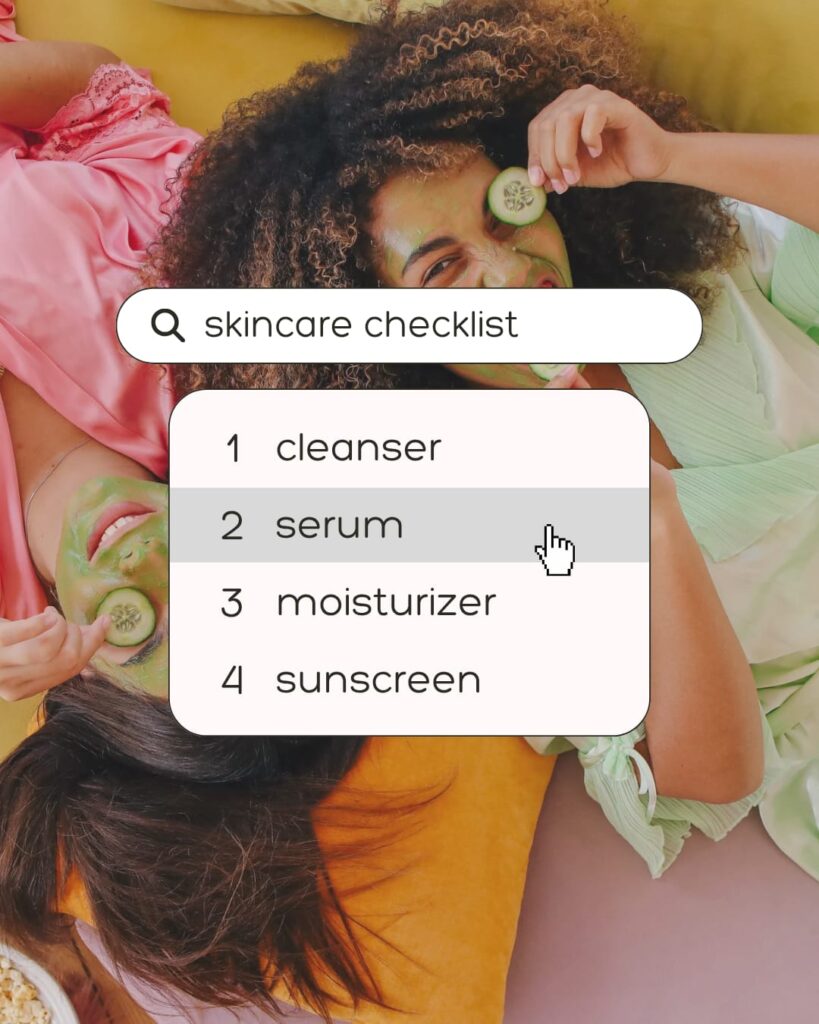
Product Type: Different products suit different needs—like washes for cleaning, creams for moisturizing, serums for getting at tricky areas to fix stuff and treatments to repair or improve something.
Climate: Those long, chilly winters and long hot summers really take a toll on skin, causing dryness, scarring from the sun and other bloopers.
Lifestyle: Local diets, exposure to pollutants, and traditional practices can influence skin health. Local Preferences: Get familiar with what is popular and staple products and ingredients. Product Focus: Product Focus: Natural & Affordable: Natural & Affordable: Make sure to center high quality natural ingredients that people across the board can get their hands on. Targeted Solutions: Offer products specifically designed for local skin concerns, such as dryness, sun damage, and acne.